Quick answer
For most Australian businesses buying equipment that holds its value, asset finance is the best fit: the machine secures its own loan and the term can match its working life. A property-secured loan suits old, imported or specialised gear lenders won't take as security. An unsecured loan is best kept for small items, deposits and extras. Paying cash only wins when it leaves a healthy buffer.
Key points
- Asset finance usually wins for new or near-new equipment with a resale market.
- Property-secured lending fills the gap when the equipment itself is hard to lend against.
- Unsecured loans suit small purchases, deposits and installation costs, not the whole machine.
- Cash is cheapest on paper but can starve the business of working capital.
- Our pick
- Asset or equipment finance
- Runner-up
- Property-secured term loan
- Skip if
- The item will be obsolete well before the loan ends
New equipment is one of the few borrowing decisions where the thing you’re buying can do a lot of the work for you. A well-chosen machine pays for itself, holds some value, and can secure its own finance. Pick the wrong structure, though, and you can end up with repayments that outlast the gear or a cash balance too thin to run the business.
Here’s how the main options stack up, and our verdict for the most common situations.
What are the realistic ways to pay for equipment?
There are four routes most Australian owners weigh up:
- Asset or equipment finance. The lender funds the item and takes security over it. Variants include a chattel mortgage, hire purchase and finance leases. Terms are usually set to match the useful life of the equipment.
- Property-secured term loan. You borrow against residential or commercial property and use the money to buy the equipment outright.
- Unsecured business loan. A set amount sized on your turnover and bank statements, with no property or asset security (usually with a director guarantee).
- Cash from the business. No lender, no fees, but no buffer either.
Leasing outright, where you never own the item, is a fifth option. The government’s guide to leasing or buying vehicles and equipment lays out the trade-off: lower upfront cost and easier upgrades with leasing, ownership and potential long-term savings with buying.
How do the options compare side by side?
| Test | Asset finance | Property-secured loan | Unsecured loan | Cash |
|---|---|---|---|---|
| Security needed | The equipment | Residential or commercial property | Usually a director guarantee | None |
| Suits | Items with a resale market | Old, imported or specialised gear | Small items, deposits, extras | Small buys with a big buffer left |
| Paperwork | Moderate: invoice, ID, statements | Higher: valuation and legal steps | Lighter: statements and ID | None |
| Total cost factors | Term, any balloon, fees | Term, fees, legal and valuation costs | Shorter terms, frequent repayments | Lost buffer and flexibility |
| Biggest risk | Balloon at the end | Property on the line | Repayments squeezing cash flow | Running short later |
Our verdict: which is best, and for whom?
Our verdict: asset finance for most equipment
- Best for
- New or near-new machinery, tools and gear with a resale market, bought by a business with steady trading history.
- Not for
- Very old, custom-built or hard-to-resell equipment, or anything that will be obsolete before the term ends.
- Check before you sign
- Any balloon or residual, who owns the item during the term, early payout costs and how GST is handled.
Asset finance wins because it lines up the loan with the thing it pays for. The item secures the debt, so you don’t put property on the line, and you can set the term to roughly match how long the equipment will earn money. Lenders record their interest on the Personal Property Securities Register, which is also where you can check that second-hand gear isn’t already owed money on.
The runner-up is a property-secured term loan. If you’re buying an older excavator, a refurbished imported press or a one-off fabrication rig, lenders may not want the item as security. Borrowing against property sidesteps that, and can also fund several pieces at once. The cost is more paperwork and your property becoming the security.
An unsecured loan earns a place for the edges of a purchase: the deposit, freight, installation, training, or a few smaller tools that don’t justify their own finance. Trying to fund a large machine unsecured usually means a shorter term and repayments that bite.
Not sure which camp you’re in? The Best Biz Loan Finder ranks the three structures that suit your answers, or you can ask a specialist to look at your purchase directly.
Illustrative example: a civil contractor’s new excavator
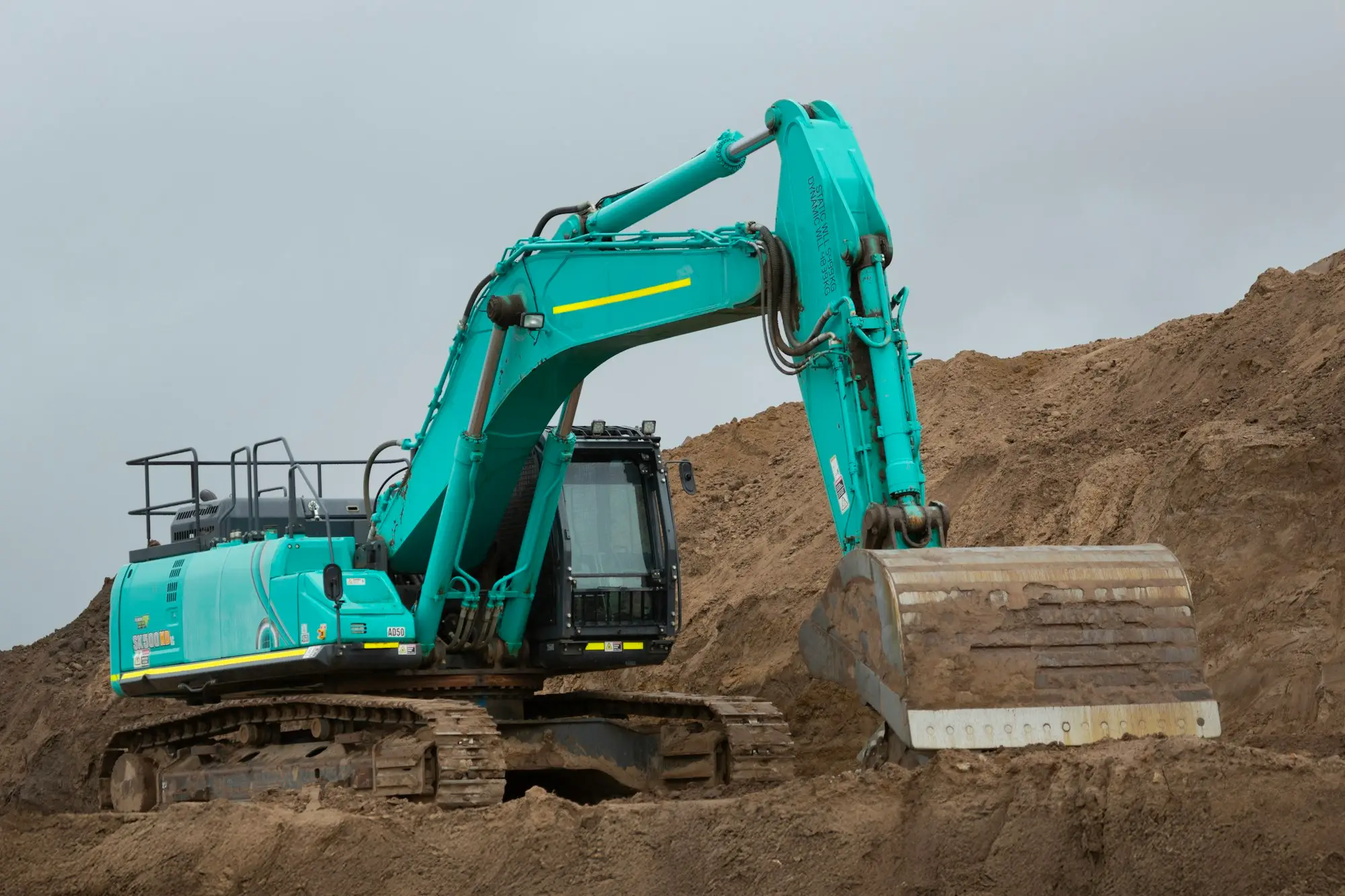
Illustrative only. A civil contractor that has traded for six years wins a council works package and needs a mid-size excavator. The machine is new, from an established brand, with a strong resale market.
- Asset finance over a term close to the machine’s expected working life keeps repayments in step with the contract income and leaves the business’s cash for fuel, wages and the first month of operating costs.
- A property-secured loan would work, but would put the owner’s home on the line for an item that can secure itself.
- Paying cash would drain most of the working capital right when the new contract adds costs.
Verdict for this owner: asset finance, with a small unsecured facility for the attachments and transport costs.
What should you check before signing an equipment deal?
- The total repayable in dollars, including fees and any balloon. Put competing offers through our total cost comparer.
- The balloon. It lowers repayments now and raises the bill later. Plan how you’ll pay it.
- Ownership during the term. With a chattel mortgage you generally own the item from the start; with a lease you don’t.
- Tax. The ATO’s instant asset write-off page lists a $20,000 threshold for eligible small businesses with aggregated turnover under $10 million. Your accountant can tell you how it applies to your purchase and the structure you pick.
- Insurance. Most lenders require the item to be insured for the full term.
For a closer look at the structure itself, read our verdict on asset finance and the head-to-head on equipment finance versus a general business loan. If vehicles are part of the purchase, our page on funding a vehicle fleet covers the extra wrinkles.
Ready to see what fits your purchase?
You know the machine you want and roughly what it costs. The next step is finding out which structure is genuinely available for your business, on what term and at what total cost. Start a 60-second enquiry and a specialist will look at it properly.
Asking won’t touch your credit file, and your details aren’t fired off to a list of lenders hoping one bites. Give us the real figures, the make and age of the equipment, and an honest picture of your trading, and the first verdict you hear will be one you can act on.
Frequently asked questions
Is it better to finance equipment or pay cash?
Pay cash only if the business still has a comfortable buffer afterwards. Equipment earns its keep over years, so spreading the cost over a similar period keeps cash available for wages, stock and surprises. Compare the total cost of finance against what that cash would otherwise do for you.
Can I finance second-hand equipment?
Often, yes, particularly when the item has a clear resale market and isn't near the end of its life. Older or very specialised gear can be harder to finance against itself, which is where a property-secured loan can step in.
What is a balloon payment on equipment finance?
A balloon is a lump sum left owing at the end of the term. It lowers the regular repayments but means a bigger final payment, which you'll need to pay, refinance or cover by selling the item. Count it in your total cost comparison.
Does the instant asset write-off mean I should buy before 30 June?
Only if you needed the equipment anyway. The ATO lists a $20,000 instant asset write-off threshold for eligible small businesses with aggregated turnover under $10 million. The tax saving is a bonus, not a reason to buy. Confirm the current year's rules with your accountant.
Can I fund installation and training as well as the machine?
Asset finance generally covers the item itself. Installation, freight, training and the first run of consumables are often better covered by a small unsecured loan or working capital line.