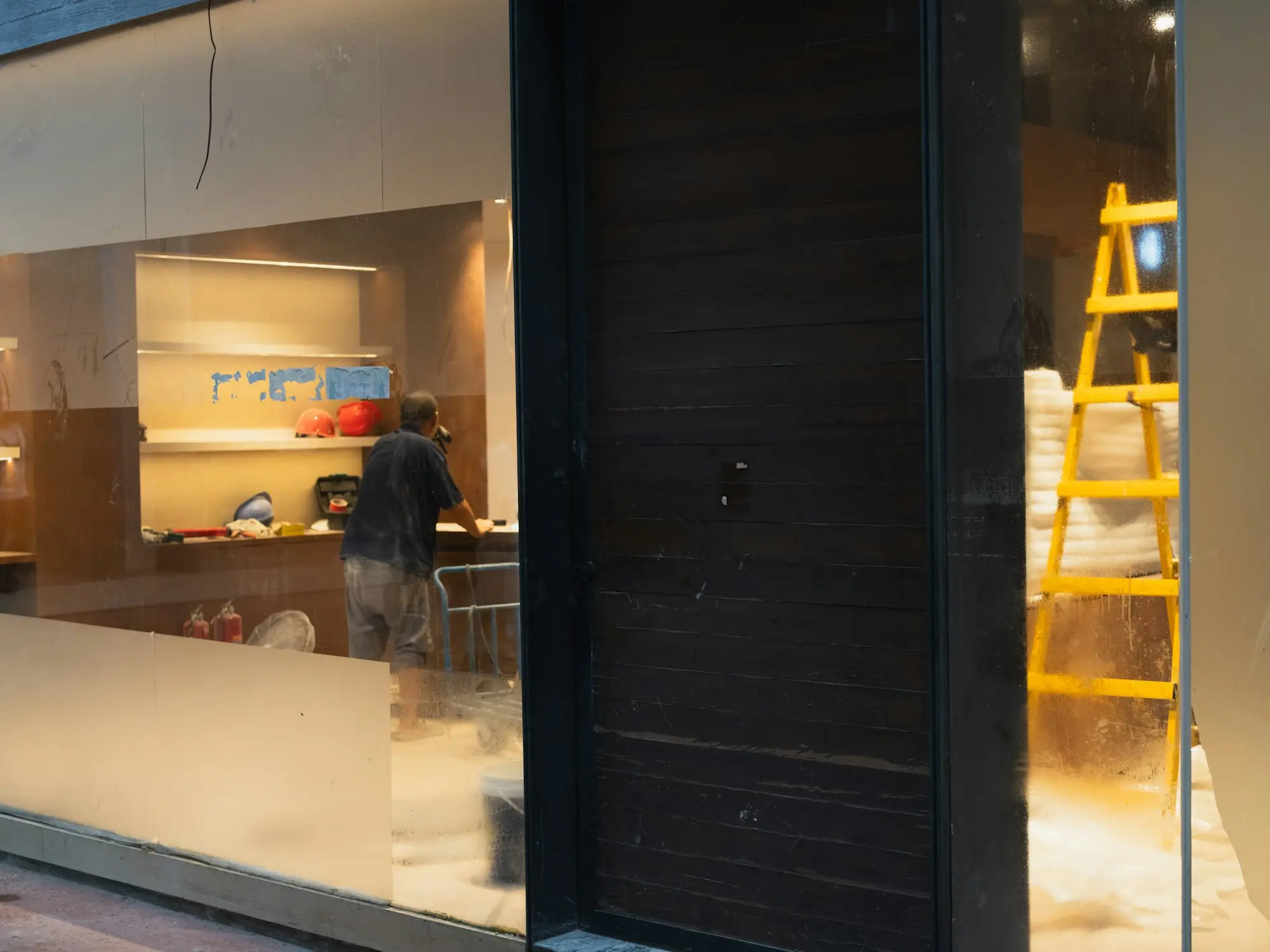
Quick answer
For most tenants fitting out a shop, café, clinic or office, the best structure is a mix: equipment finance for the movable items with resale value, and an unsecured or property-secured loan for the builder's work, which lenders can't take back. If you own property with equity and the fit-out is large, one property-secured loan for the lot is usually simpler. Avoid paying the builder from working capital.
Key points
- Split the budget: movable equipment versus fixed building work.
- Fixed work like joinery and plumbing has no resale value to lend against.
- Owners with property equity can often fund the whole project with one secured loan.
- Keep working capital aside for the weeks before the new space trades.
- Our pick
- Equipment finance plus a loan for fixed works
- Runner-up
- One property-secured loan
- Hold back
- Opening working capital
A fit-out is one of the biggest one-off spends a small business makes, and one of the hardest to finance with a single product. Part of the budget buys things a lender can value and repossess. The rest pays tradespeople to build things into a space you probably don’t own. Treat those two halves differently and the funding falls into place.
Why is a fit-out tricky to finance?
Look at a typical café or clinic fit-out budget and it splits into two groups:
- Movable equipment. Coffee machines, ovens, fridges, dental chairs, treatment beds, IT gear, furniture. These have a resale market and can secure their own finance.
- Fixed works. Design fees, demolition, joinery, plumbing, electrical, flooring, signage, council approvals. Once installed in a leased building, a lender can’t take them back.
Asset finance can cover the first group. The second needs a loan that doesn’t depend on the fit-out as security.
What are the options?
| Test | Equipment finance | Unsecured loan | Property-secured loan | Landlord contribution |
|---|---|---|---|---|
| Covers | Movable items | Fixed works, smaller budgets | Everything | Part of the works |
| Security | The equipment | Director guarantee | Property you own | Built into the lease |
| Term fit | Matches item life | Shorter | Longer | Over the lease |
| Paperwork | Supplier invoices | Bank statements, ID | Valuation, legal steps | Lease negotiation |
| Watch | Balloons | Repayments while opening | Property on the line | Higher rent or make-good terms |
Our verdict on fit-out funding
Our verdict: split it, equipment finance plus a loan for the works
- Best for
- Tenants with a few years of trading fitting out a new or second location with a clear budget and a lease that outlasts the loan.
- Not for
- A short lease with no option, an untested concept with no trading history, or a budget that hasn't been quoted properly.
- Check before you sign
- That every loan term ends before your lease does, the builder's payment stages, and your make-good obligations at lease end.
Splitting wins because each part of the budget gets a structure suited to it. Equipment finance gives longer terms on the items that hold value. A separate unsecured loan covers the builder, sized to what your trading can comfortably carry.
The runner-up is one property-secured loan, and for owners with equity it’s often the simpler choice, especially for larger projects. One application, one set of documents, one repayment, and usually a longer term than unsecured lending allows. The trade-off is putting property on the line for a fit-out in someone else’s building.
Our head-to-head on secured versus unsecured lending goes through that trade-off in detail. If you’d like the options ranked for you, try the Loan Finder or ask a specialist about your fit-out.
Illustrative example: an allied health clinic’s second site
Illustrative only. A physiotherapy practice with five years of trading signs a lease on a second site. The fit-out quote covers treatment rooms, a reception area, plumbing and electrical, plus new treatment tables, a gym area and IT.
The owners finance the tables, gym equipment and IT through equipment finance, with terms that match their expected life. The builder’s work goes on an unsecured loan with a term well inside the five-year lease. They keep a few months of running costs in the bank, because the new clinic will take time to fill its appointment book.
Verdict for these owners: split funding, with opening working capital set aside.
What should be in your fit-out plan before you borrow?
The business.gov.au guide to applying for a business loan recommends understanding your financial position and working out the maximum repayment you can afford before you approach a lender. For a fit-out, that means:
- Firm quotes, not estimates, for both the works and the equipment.
- A payment schedule from the builder, so you know when money is needed.
- A contingency for overruns.
- Opening working capital for rent, wages and stock before the new space is trading at full strength.
- The lease term and any options, so no loan outlasts your right to be there.
Ask the landlord about a fit-out contribution or rent-free period as well. It won’t suit everyone, but it can reduce how much you need to borrow.
For the equipment side, read the best way to fund business equipment. If you own property and are weighing whether to use it, our page on the best loan when you own property sets out the pros and cons.
What do fit-out lenders typically ask for?
- Quotes from the builder and equipment suppliers.
- The lease, including term, options and make-good clauses.
- Trading history: statements and, for larger amounts, financial statements.
- For a new site, your plan for how it will trade and how long it will take to build up.
- Security details, if property is being offered.
Fit-outs are easier to fund when the budget is firm and the lease outlasts the loan. Getting those two right before you apply makes the rest of the process smoother.
Ready to start the build?
Get your quotes together, then tell us what the fit-out involves. A specialist will help you work out which parts suit which structure, and what the whole package costs in dollars.
Asking doesn’t involve a credit check, your enquiry isn’t shopped around a crowd of lenders, and clear figures on the quotes, the lease and your trading history mean we can give you a straight answer from the start.
Frequently asked questions
Can I get a loan for a shop fit-out if I lease the premises?
Yes. Tenants commonly fund fit-outs with an unsecured business loan, asset finance for equipment, or a loan secured against property they own elsewhere. What a lender looks at is your trading, your lease term and the security available.
Why can't the fit-out itself secure the loan?
Once joinery, plumbing and electrical work are installed in a leased building, they're effectively part of the premises. A lender can't remove and resell them, so they don't work as security the way a coffee machine or oven does.
How long should a fit-out loan run?
Ideally no longer than your lease, including any option you're confident of taking. Paying off a fit-out after you've left the premises is a classic trap.
Should I include a contingency?
Yes. Fit-outs regularly run over on time and budget. Build a contingency into your borrowing plan, or at least know where the extra money would come from.